
Climate Adaptation
Growing stronger communities through sustainable food systems and environmental action.
Climate change and environmental challenges affect how families access food, earn a living and care for their surroundings in Kisumu County. In many communities, women and girls carry much of this burden, yet they also play an important role in growing food, managing household waste and finding practical ways to support their families.
At WOVOP, we work with women, girls and communities to explore simple, locally driven ways of adapting to these challenges. Our work focuses on sustainable farming, responsible waste management and improving household food security while creating opportunities for women and girls to build their skills and livelihoods.
Feed the Future Now Project
Growing food, creating opportunities.
Feed the Future Now supports girls and young women-led households in Kisumu slums and villages to explore opportunities in modern farming and waste management. The project recognises young women not only as participants in food systems but also as important contributors to waste management and environmental sustainability.
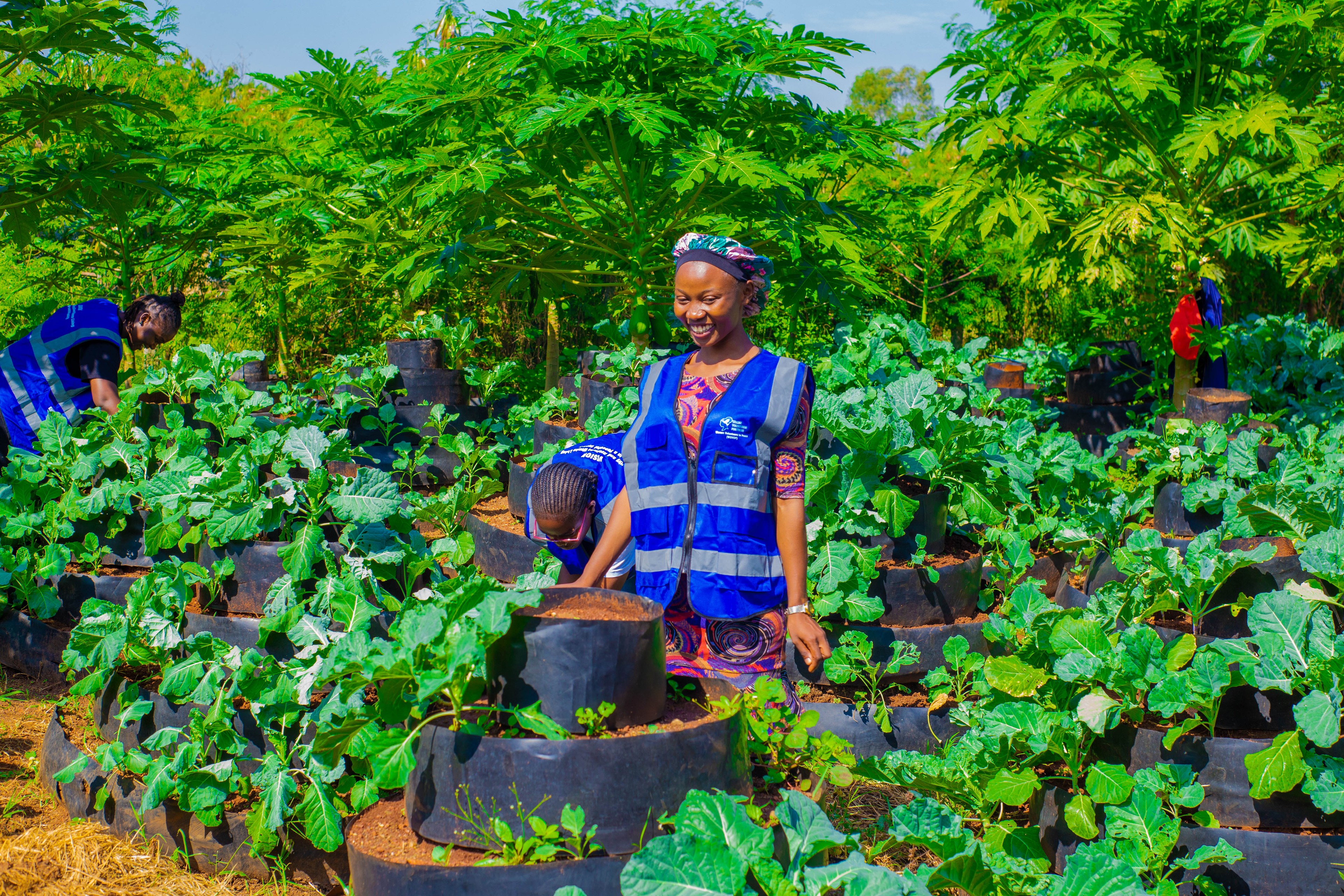
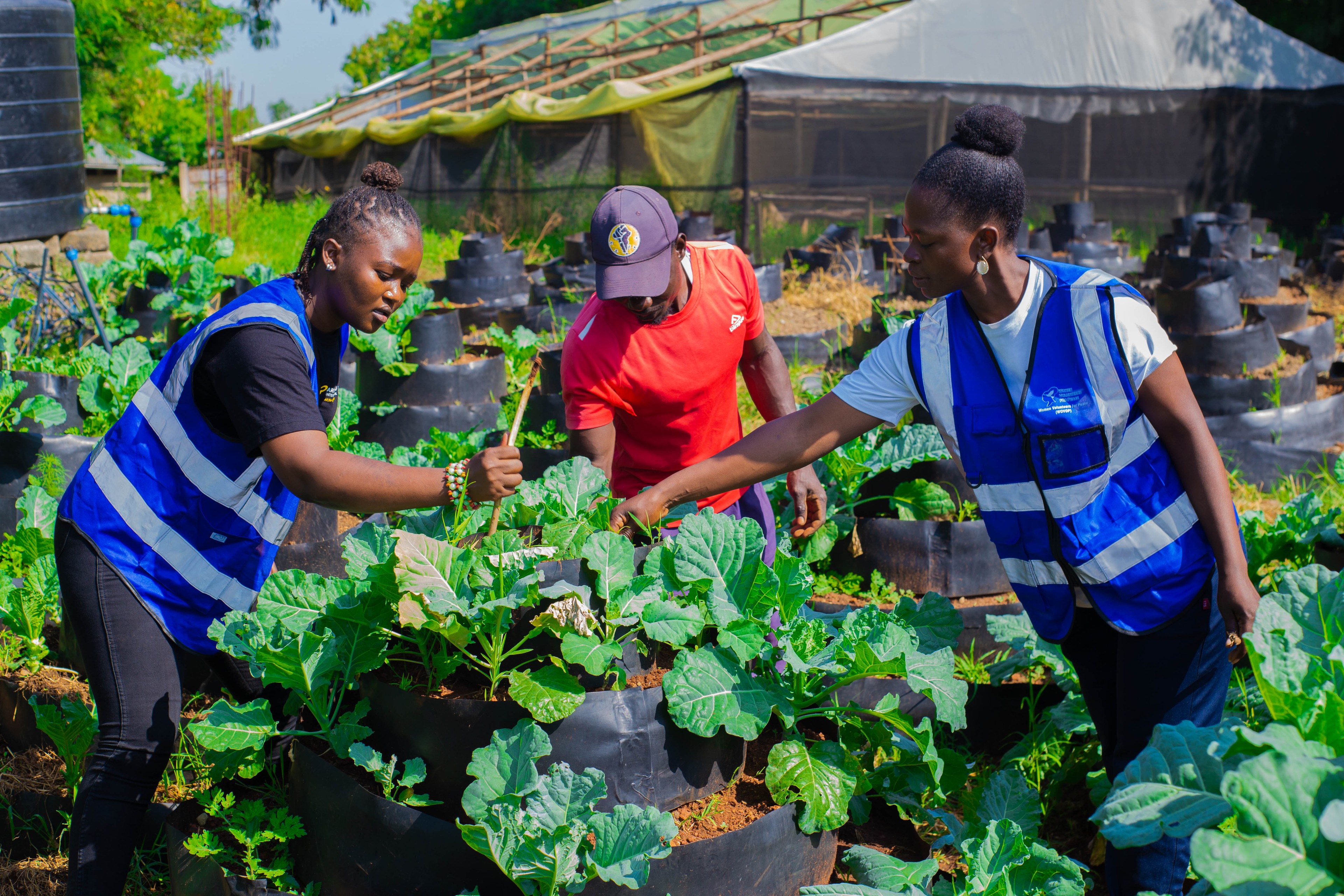
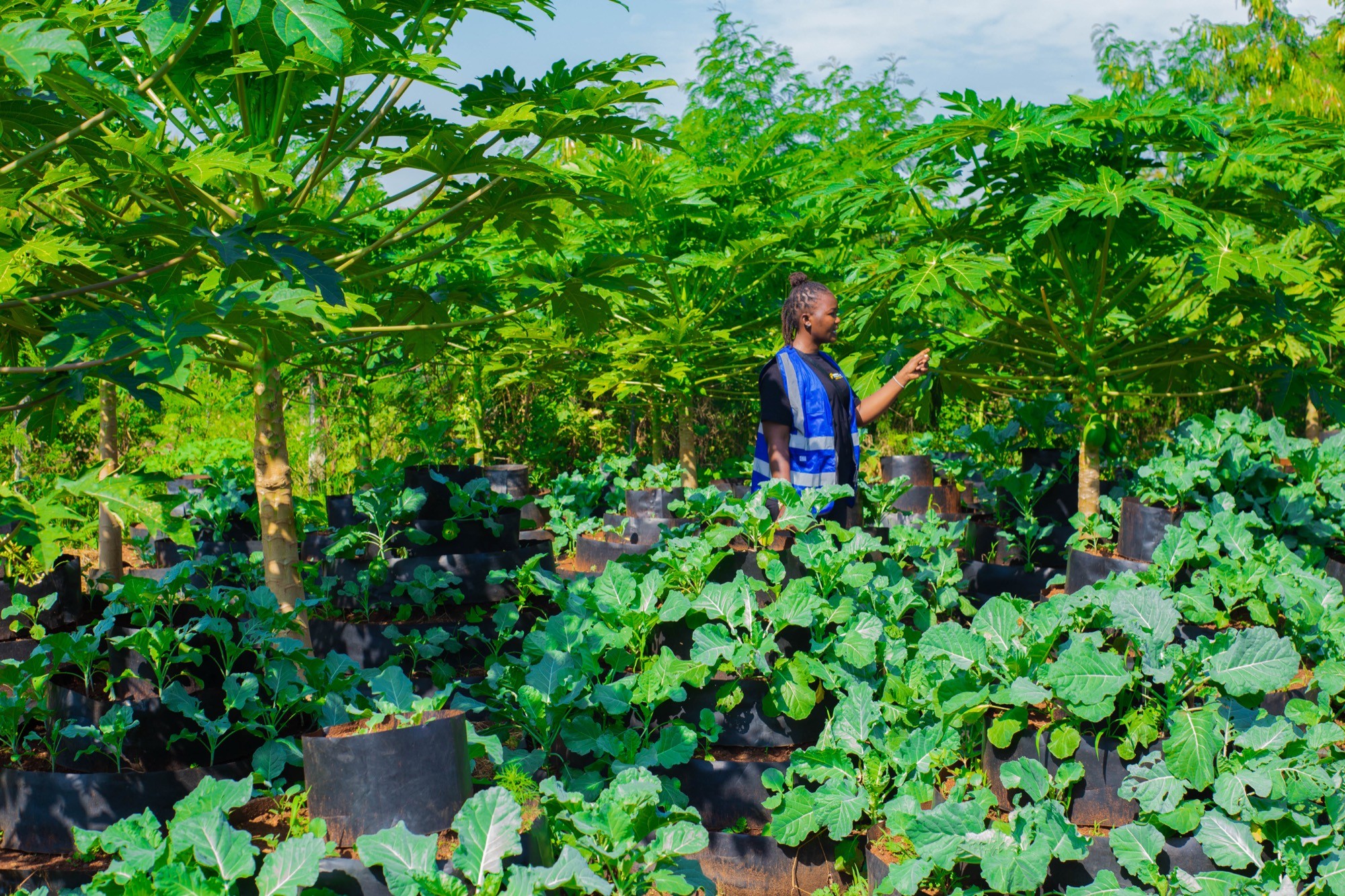
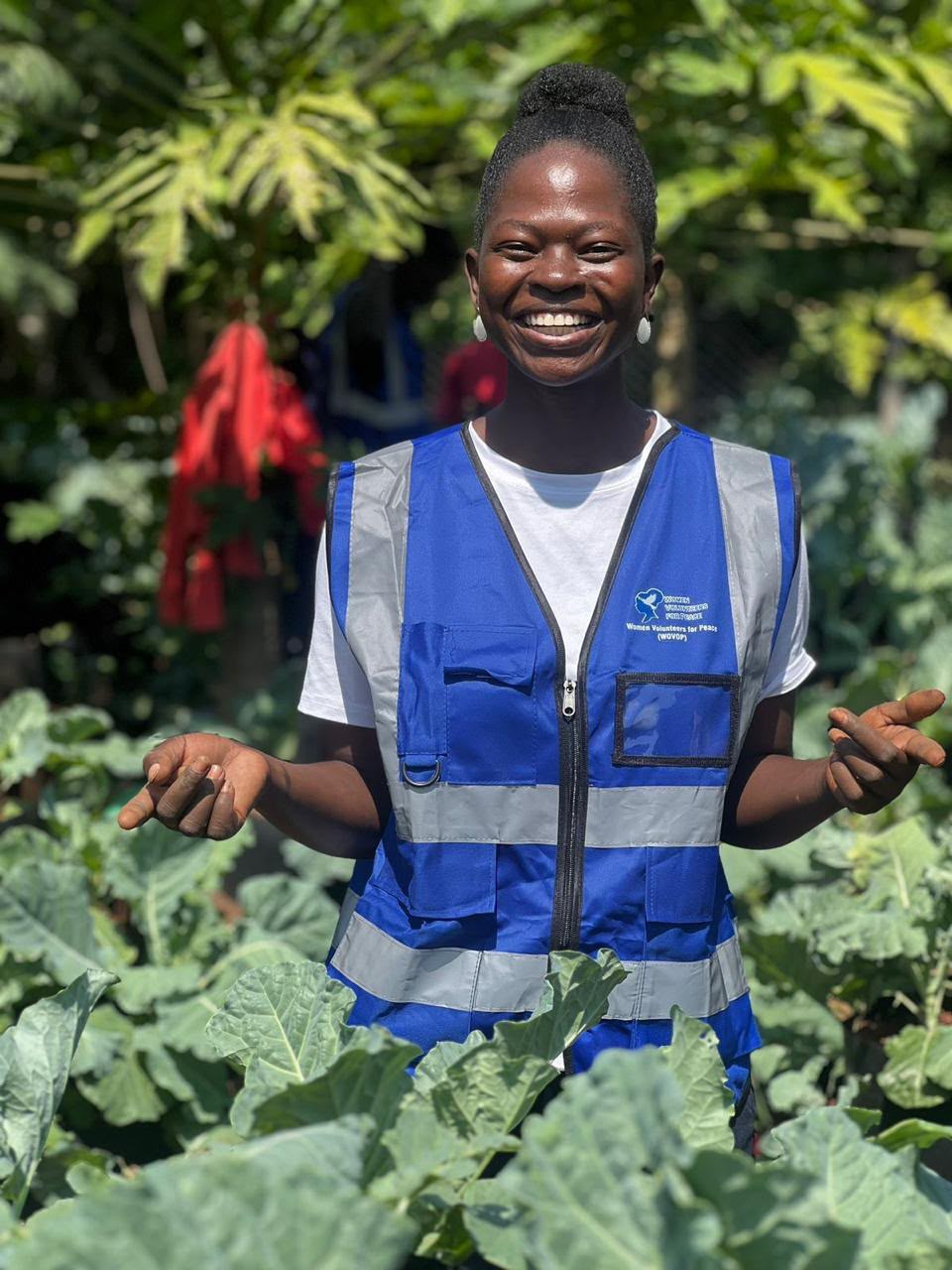
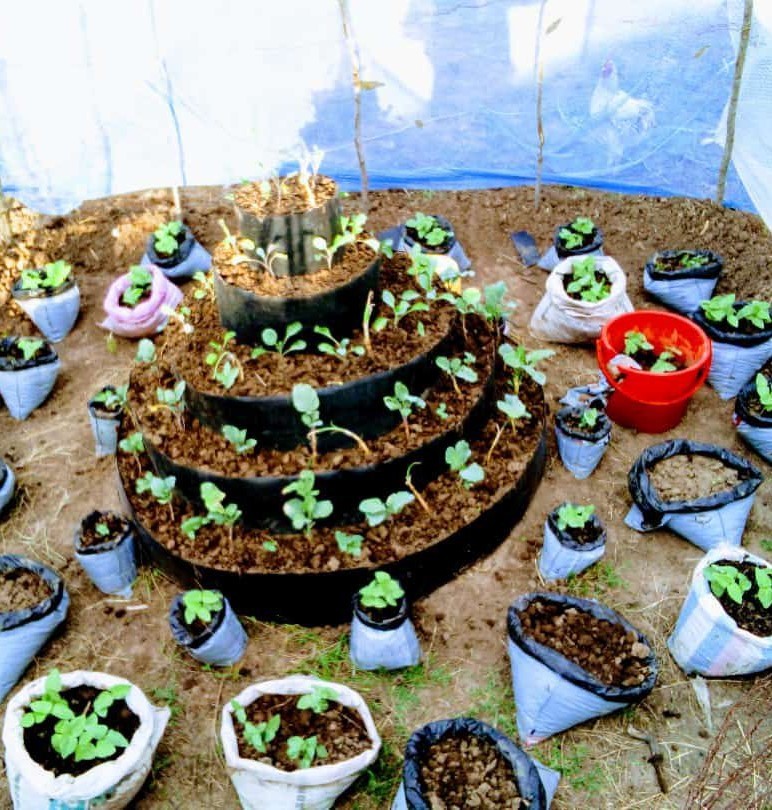
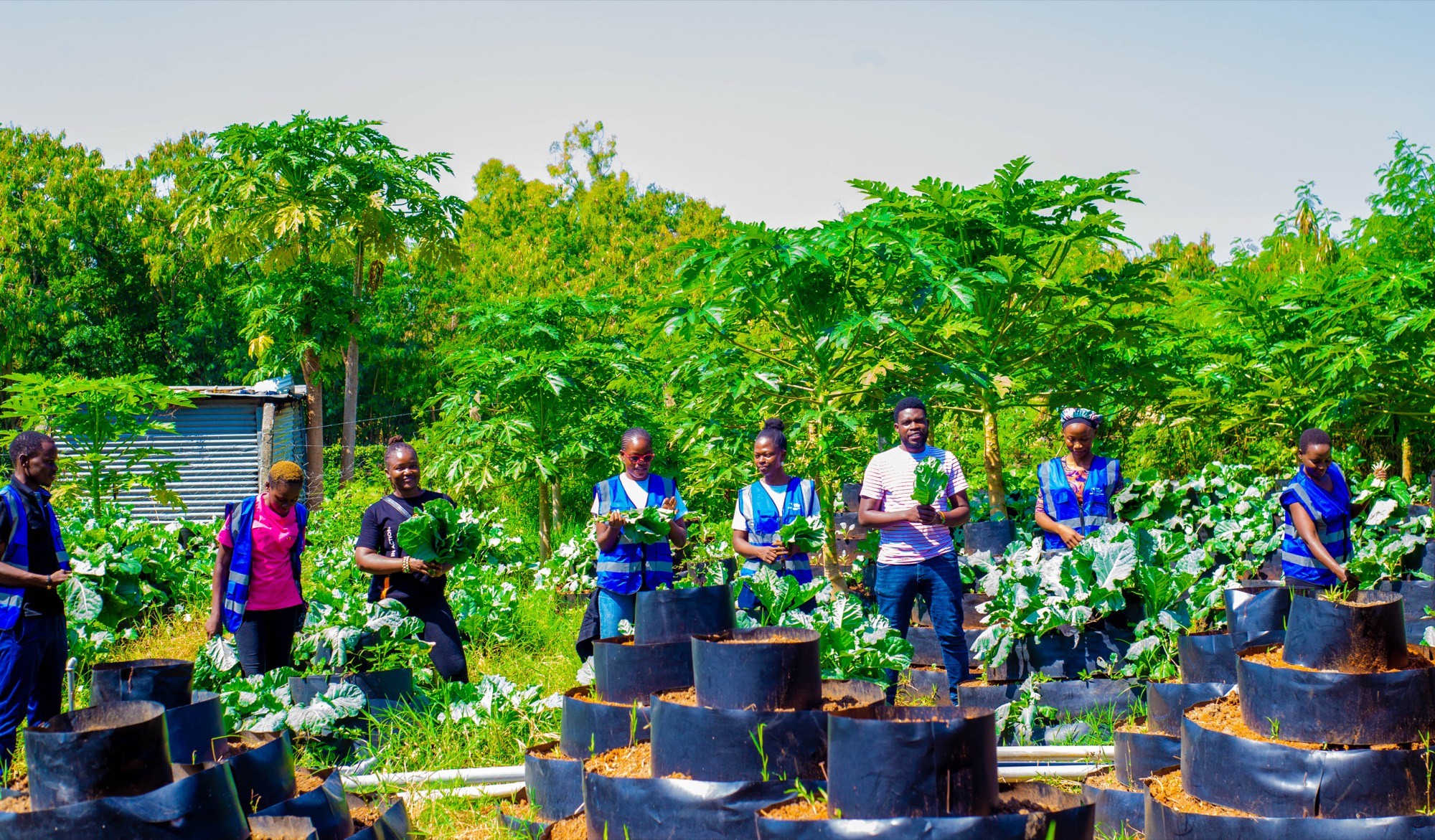
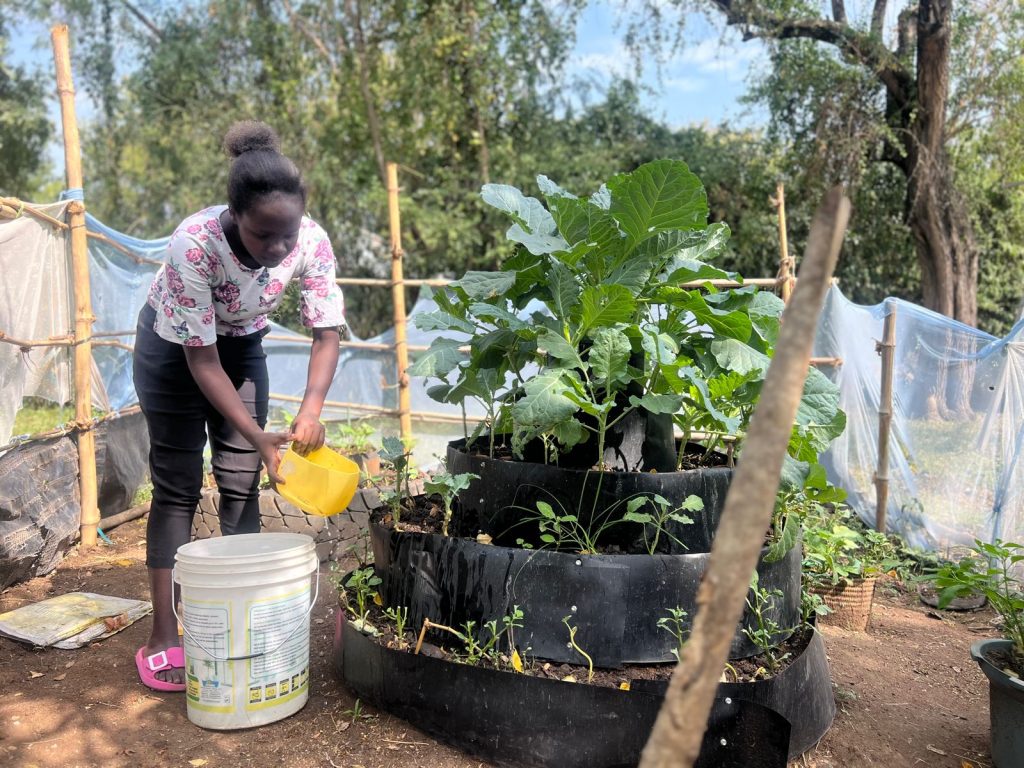
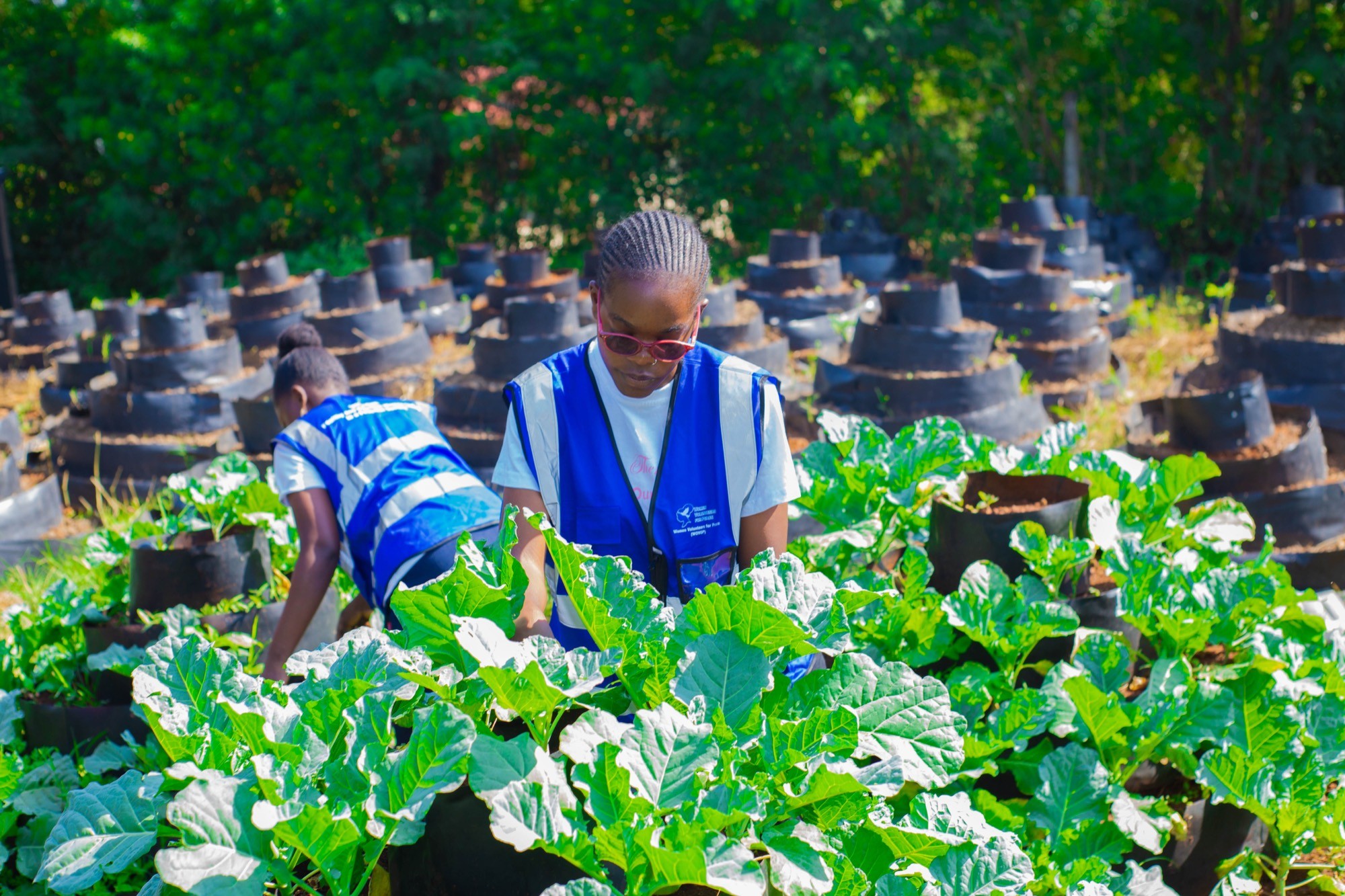
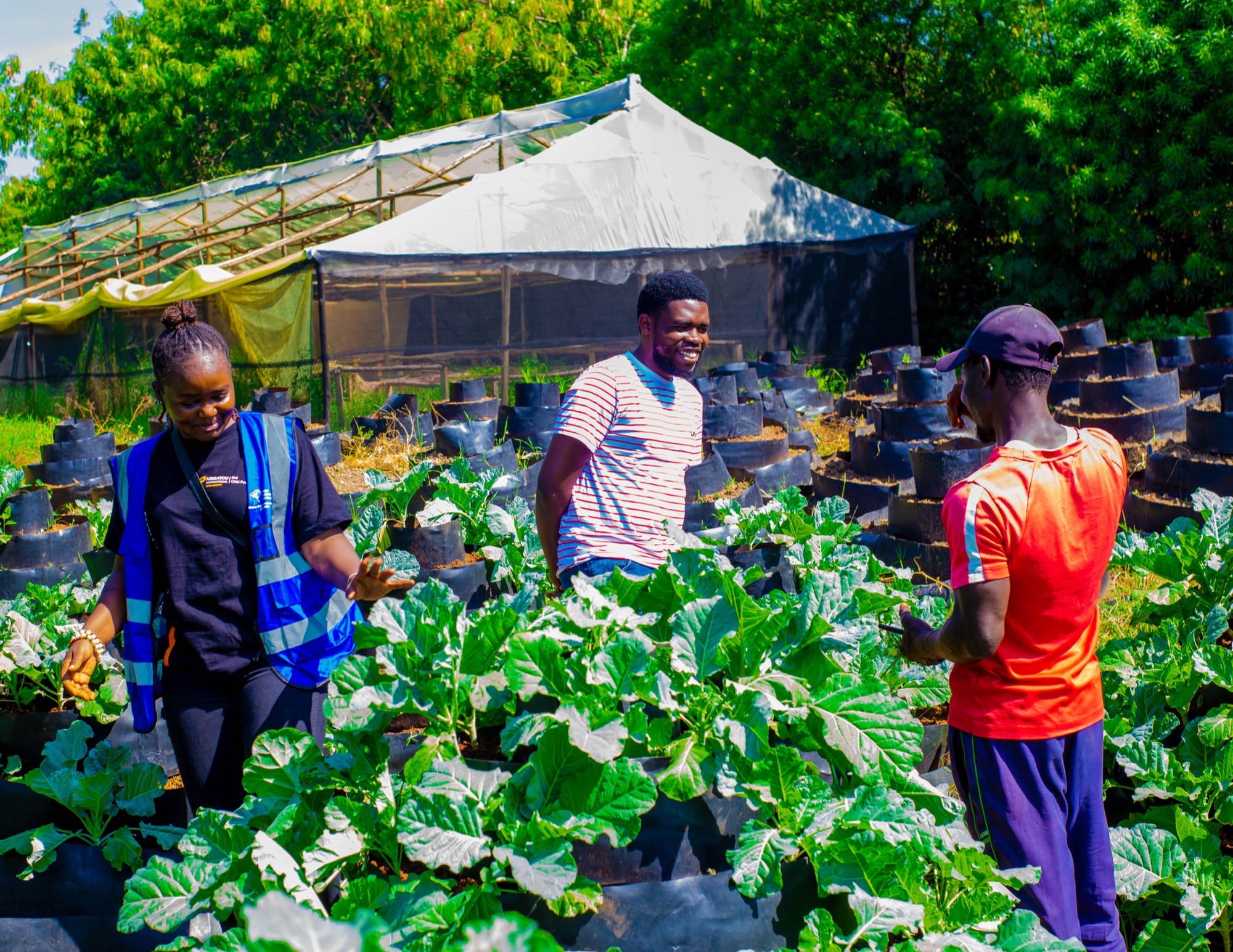
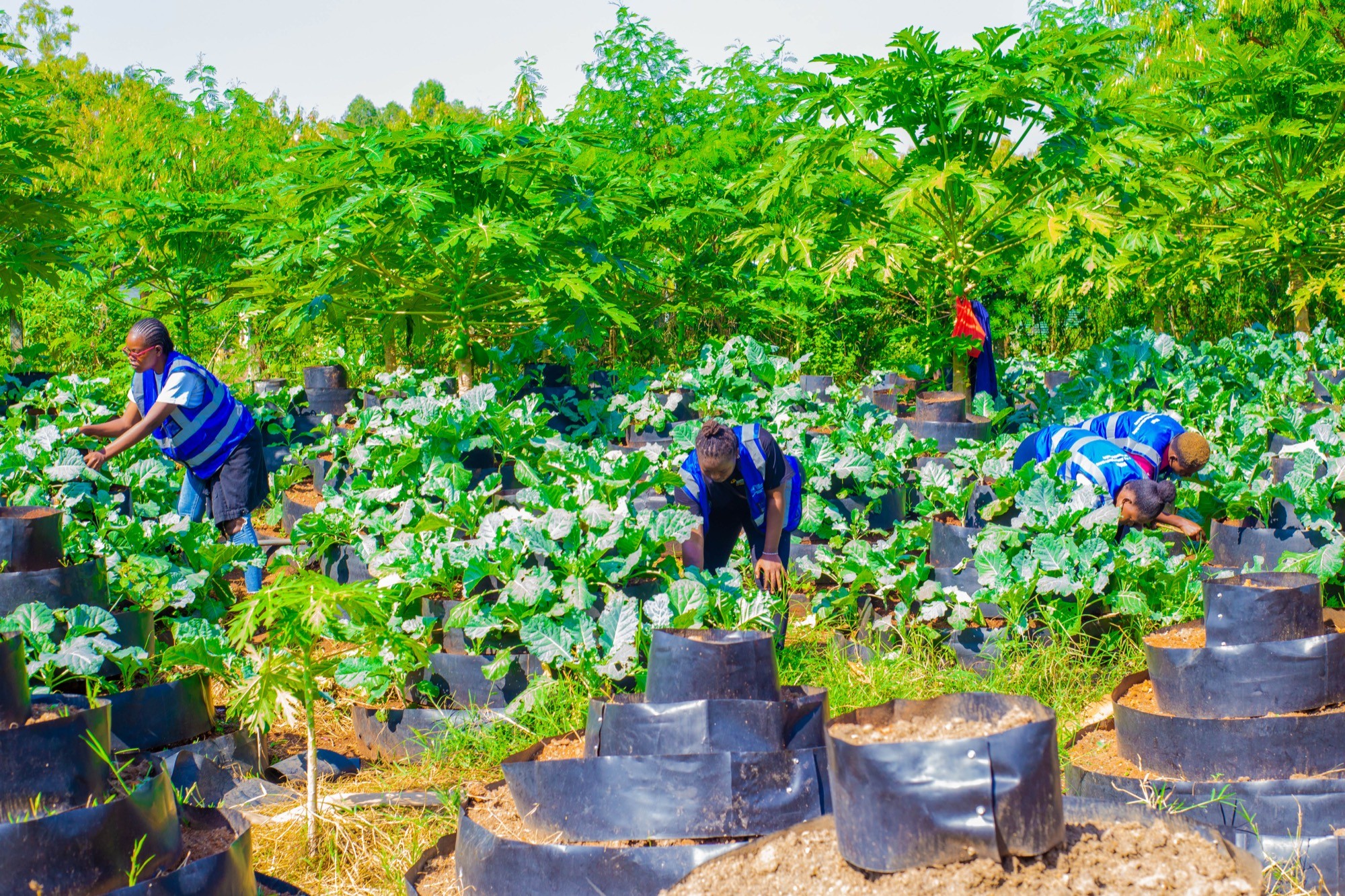
Through the project, 25 young women and girls receive practical training in smart gardening, including vertical and horizontal farming. They are also provided with vegetable seedlings such as kales, spinach, tomatoes, onions, nightshade and amaranths, as well as materials to help them establish their gardens.
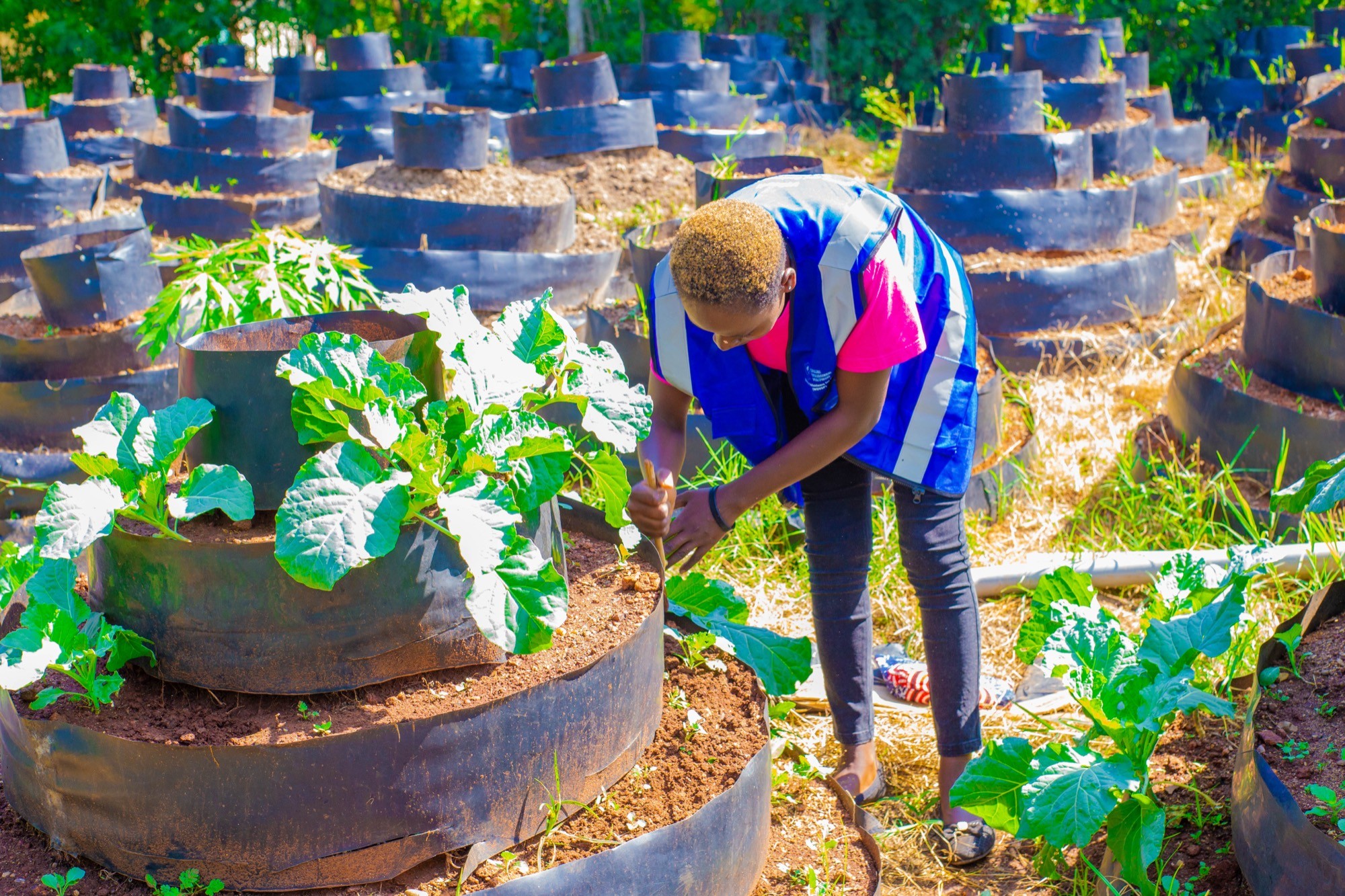
One of the exciting things about this approach is that it does not require large pieces of land or expensive equipment. The young women have found creative ways to grow vegetables using locally available materials such as old buckets, cement bags and sacks. This allows them to make use of small spaces while turning materials that might otherwise become waste into something useful.
The gardens provide families with fresh vegetables, reduce the money spent on buying food and create opportunities to earn an income from selling surplus produce. The project also works with M-Taka Solutions, a social enterprise that uses technology to connect, educate and support waste agents through its M-Taka App, as our partner.
Voices from the field
“As small as it seems, if you take it seriously it is a huge gain. I have realized that there are so many ways of generating income, smart gardening being one of them, and waste management and separation, because some waste is reusable and some can be sold.”
“I am equipped with new skills of planting vegetables using this new technology. Now that I am planting my own vegetables, the money I was spending on buying them will go into my savings.”
“Through the training, they gain practical skills in agriculture and the technical confidence that helps them in many areas of life.”
Impact and beyond
But the impact goes beyond the gardens. The young women are sharing what they have learned with their friends and neighbours, encouraging others to try smart gardening and adopt better waste management practices.
Through Feed the Future Now, we are supporting young women and girls to take an active role in food production, environmental protection and improving their household livelihoods. It is a reminder that meaningful change can begin with a small garden, a little space and the opportunity to learn something new.
Grow this with us
This work grows through partners, funders, and volunteers who believe in young women as leaders in food security and climate resilience.