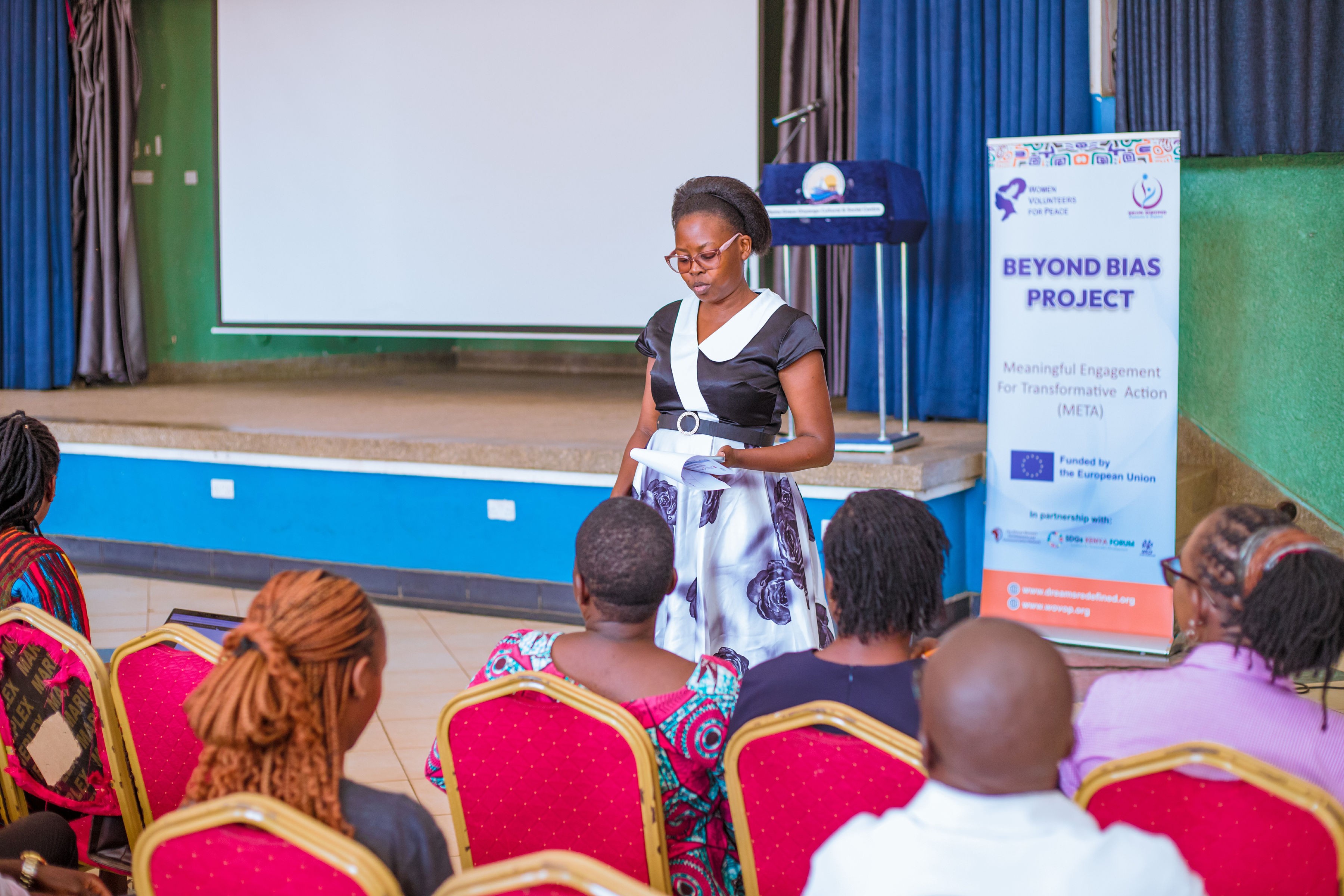
Civic Education and Governance
In Kisumu County, understanding your rights is not academic. It is survival. We help youth and women learn how governance works, so they can choose for themselves, be heard, and hold their leaders to account.
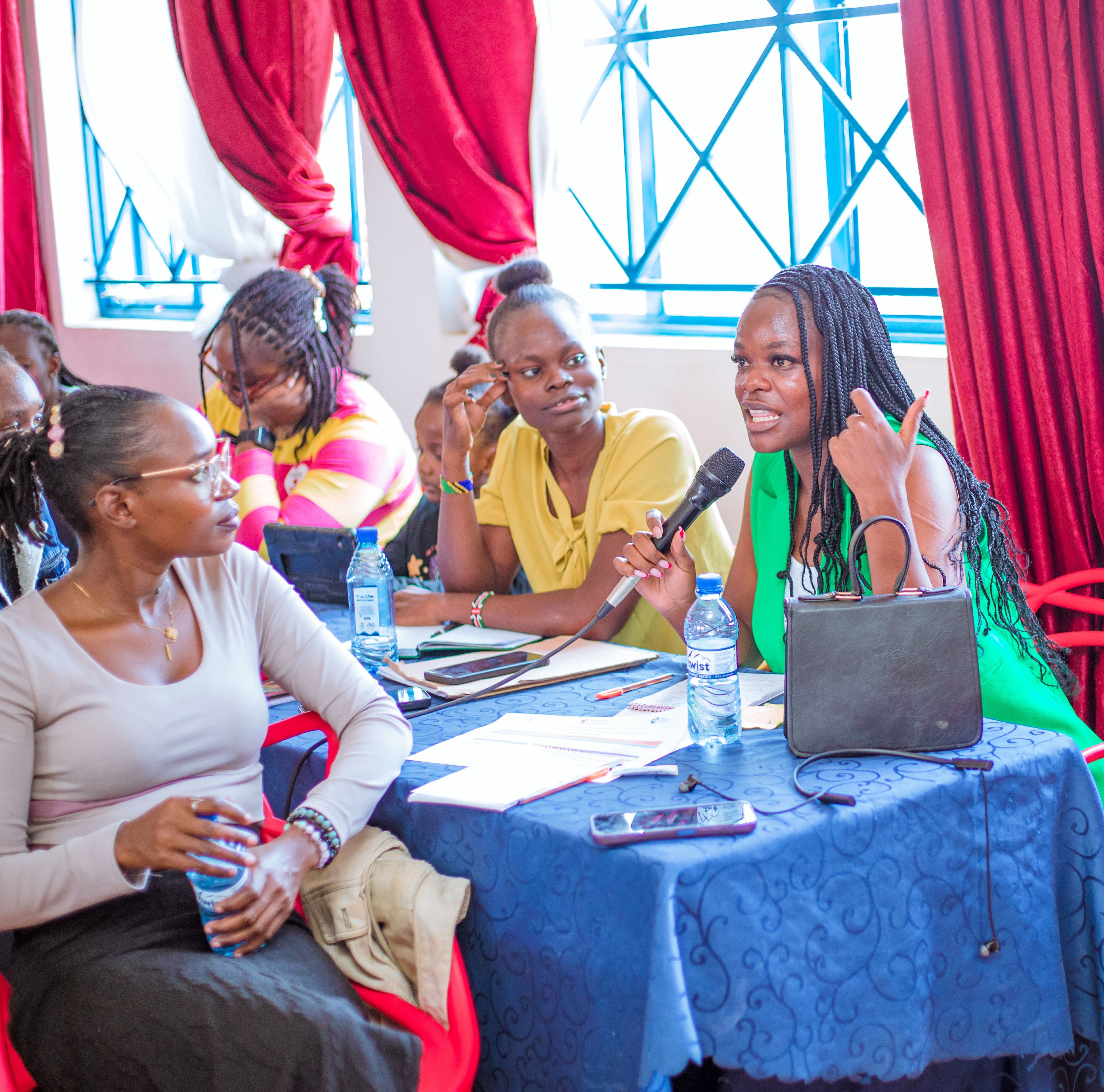
For years, civic education in Kenya has been treated as an afterthought. A one-off lecture. A poster on a wall. But in Kisumu County, where politics can divide neighbours and elections can feel like battles, understanding your rights is not just academic, it is survival. The Constitution of Kenya 2010 gave us the framework. But a framework without knowledge is just paper.
WOVOP has been doing this work for years. Through our peace programs, we have seen how conflict thrives where civic literacy is low.
“When young people and women do not understand how governance works, they are easily manipulated. They are told who to vote for, not how to choose. They are promised things that will never come. They are used as tools for violence because they do not know they have the power to say no.”
“Civic education is not about telling people what to think. It is about showing them that they already have the power to think for themselves and the right to be heard, because when we understand our rights, we cannot be manipulated. When we know how governance works, we cannot be ignored. When we participate, we build a democracy that actually works for everyone. That is the future we are building.”
Projects
Beyond Bias
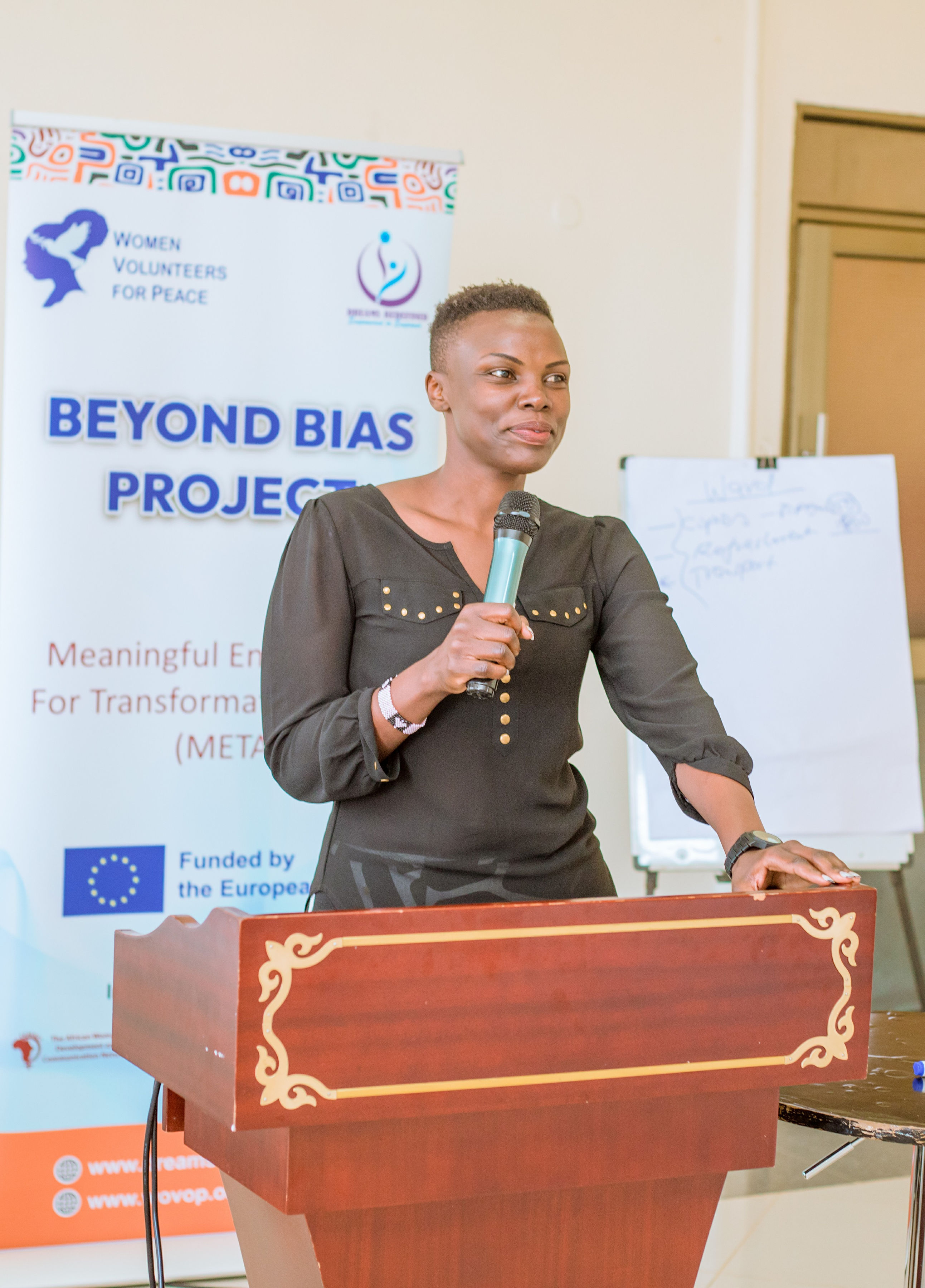
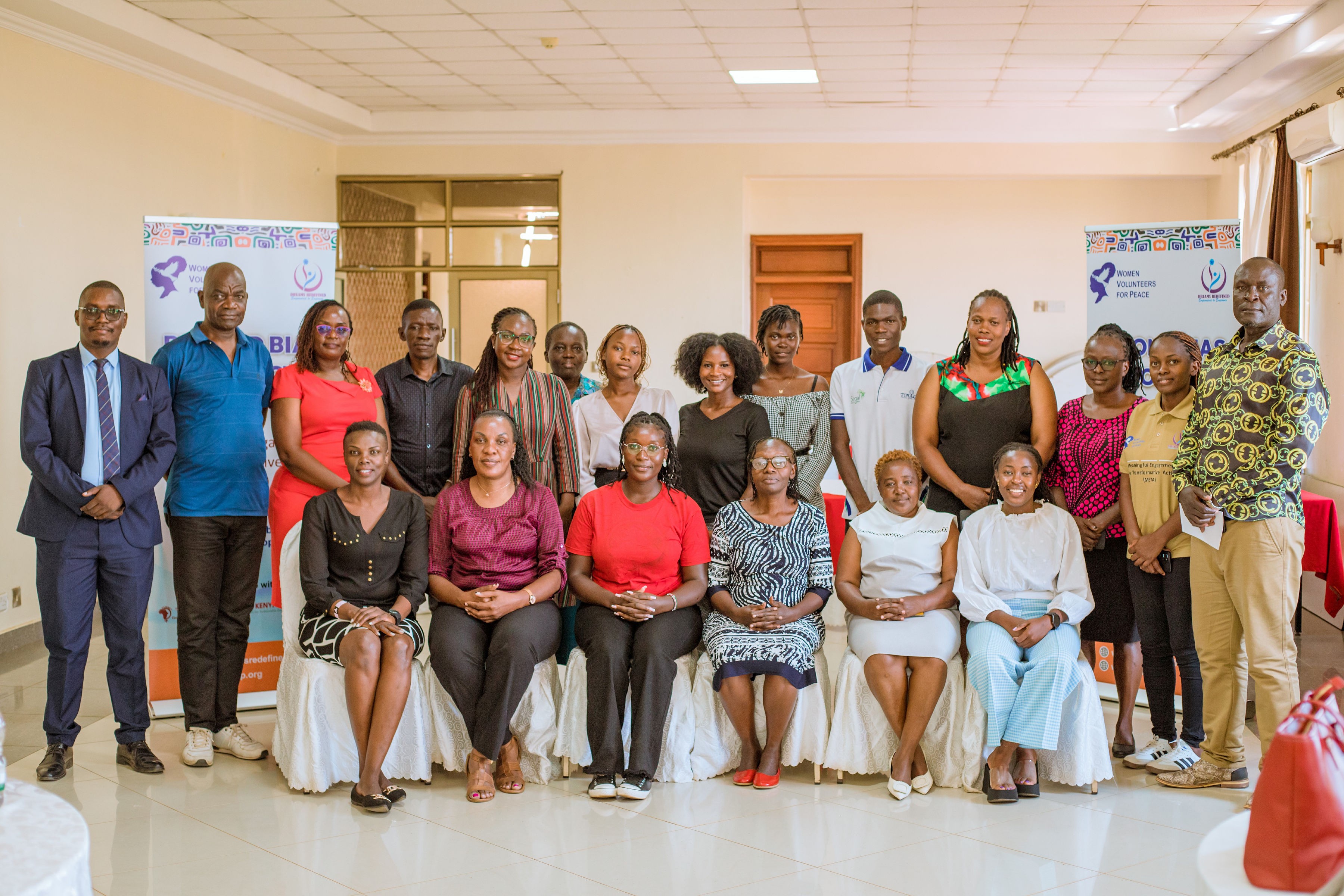
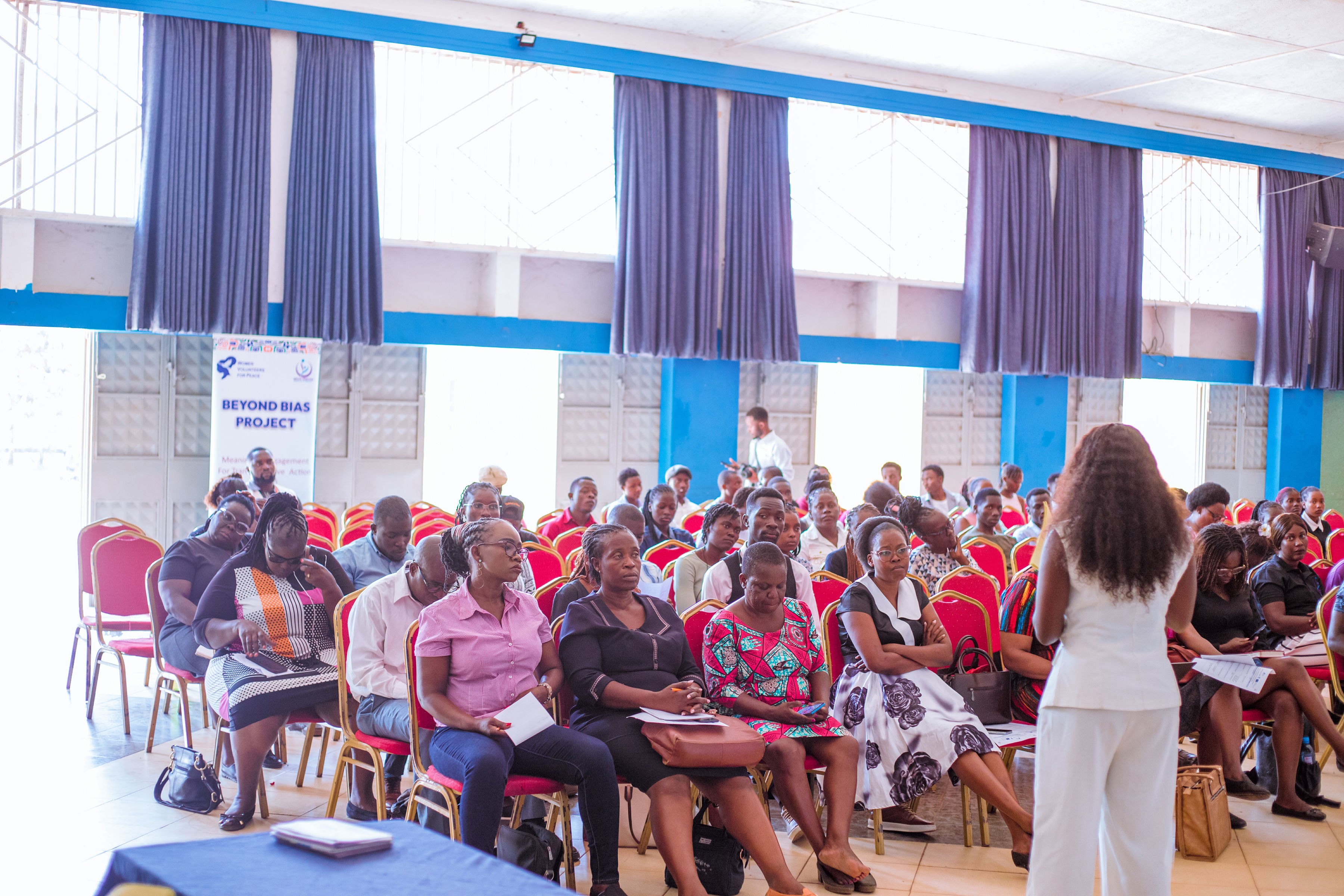
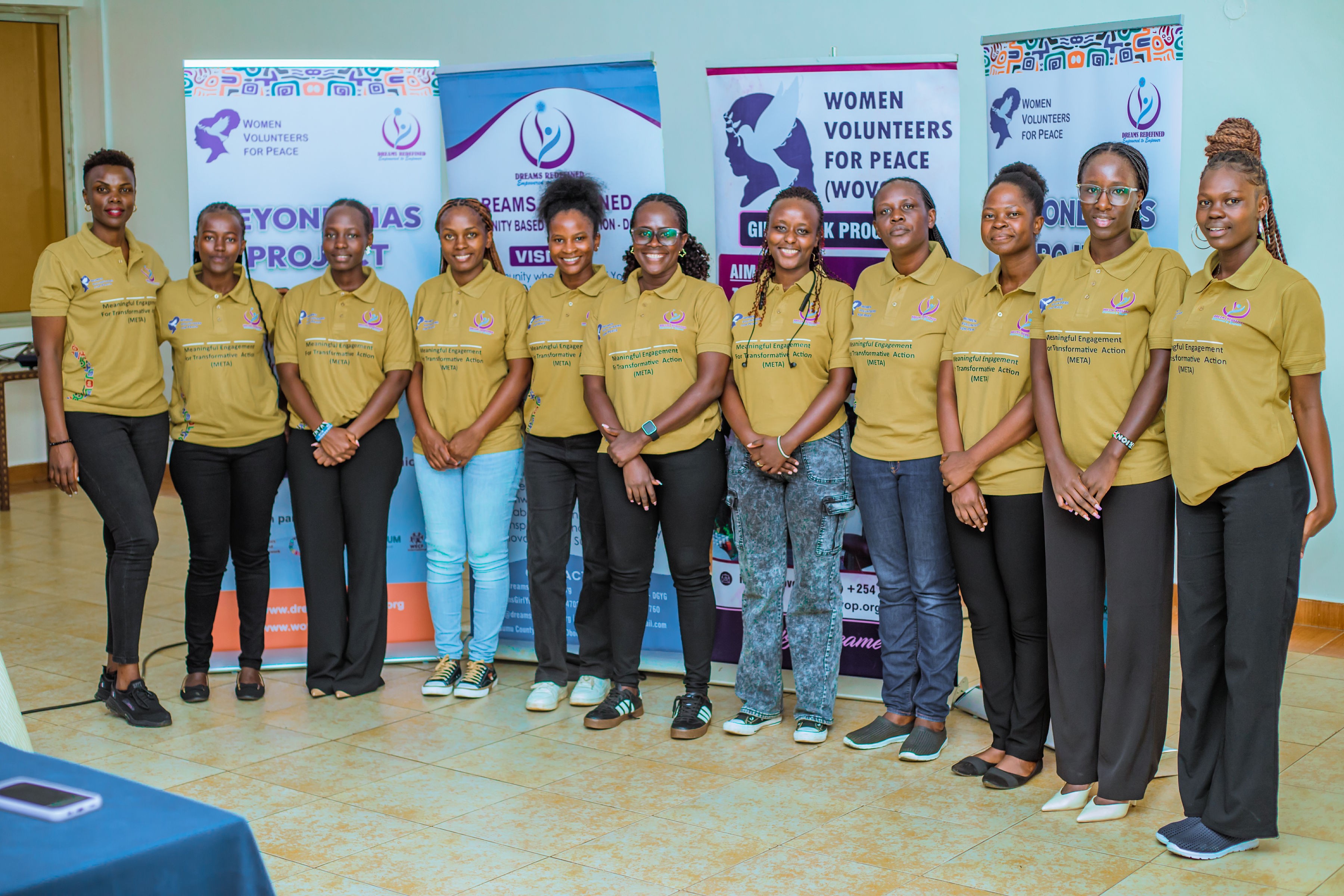
NewThe Beyond Bias Project is a strategic response to the stalled Kisumu County Gender Equality and Equity Bill, addressing not only a legislative delay but also gaps in inclusive participation, institutional awareness, and accountability. It adopts a structured approach that brings together county government, the assembly, CSOs, media, and community representatives to rebuild momentum and shared ownership.
Through targeted capacity strengthening for youth and women champions, the project equips local actors to lead informed advocacy, while public participation forums and media engagement amplify community voices. At the technical level, it supports review of the stalled bill and co-creation of a gender scorecard to institutionalize accountability, with continuous learning and reflection ensuring an adaptive and results-driven process.
The project ultimately aims to move beyond dialogue into tangible, systems-level change by unlocking the enactment of the Gender Equality and Equity Bill and strengthening inclusive governance in Kisumu County. It increases meaningful participation of CSOs, women, and communities in decision-making, builds institutional capacity for gender mainstreaming within county structures, and promotes equitable access to resources through gender-responsive budgeting.
By embedding accountability mechanisms and fostering multi-stakeholder partnerships, the project works to shift power and representation, ensuring women and adolescent girls and young women (AGYW) have greater influence in leadership and public service delivery while advancing a sustainable, inclusive governance system.
The Kisumu County Gender Equality and Equity Bill has successfully completed the legislative process and has been enacted into law following the signing of the vellum by the Governor. Preparations are now underway for its official launch and public unveiling.